Winter Coastal Walks: How to Stay Safe on Short, Stormy Days
The winter coast is worth the effort. Empty beaches, hard low light, waves with real weight behind them, and none of the summer crowds. It is also the season that punishes a casual plan. Daylight is short, the weather turns quickly, and a path that was firm in September is a trough of mud by January. None of that is a reason to stay indoors. It just means walking differently.
Plan around the light, not the distance
Winter walks are measured in hours of usable light, not miles. In much of the UK the sun can be down before four o'clock in December, and usable light goes earlier than that. Dusk on a coast path is not a soft amber glow; it is a grey that swallows the mud and the cliff edge at the same time.
So work backwards. Take the sunset time for your exact stretch of coast, subtract forty-five minutes for the last stretch back to the car, and that is your deadline for turning round. If the walk is three hours, you need boots on and moving by one, not still in the car park adjusting a rucksack.
Carry a head torch even when you are certain you will be back in daylight. A phone torch is for finding keys on a driveway; it drains the battery you may want later for a call. Before you set off, identify one escape route: a lane, a bus stop, a shorter path back to the road. And check the winter timetable if you are relying on a bus. Sunday services on the coast thin out dramatically after October.
Read the sea forecast, not just the town one
The forecast for the nearest town tells you about the town. A headland twenty minutes' walk away can be a different world: stronger wind, no shelter, salt spray across the path. Look at wind speed and gusts, visibility, and the inshore waters forecast for the area rather than a general regional summary.
Wind direction matters most
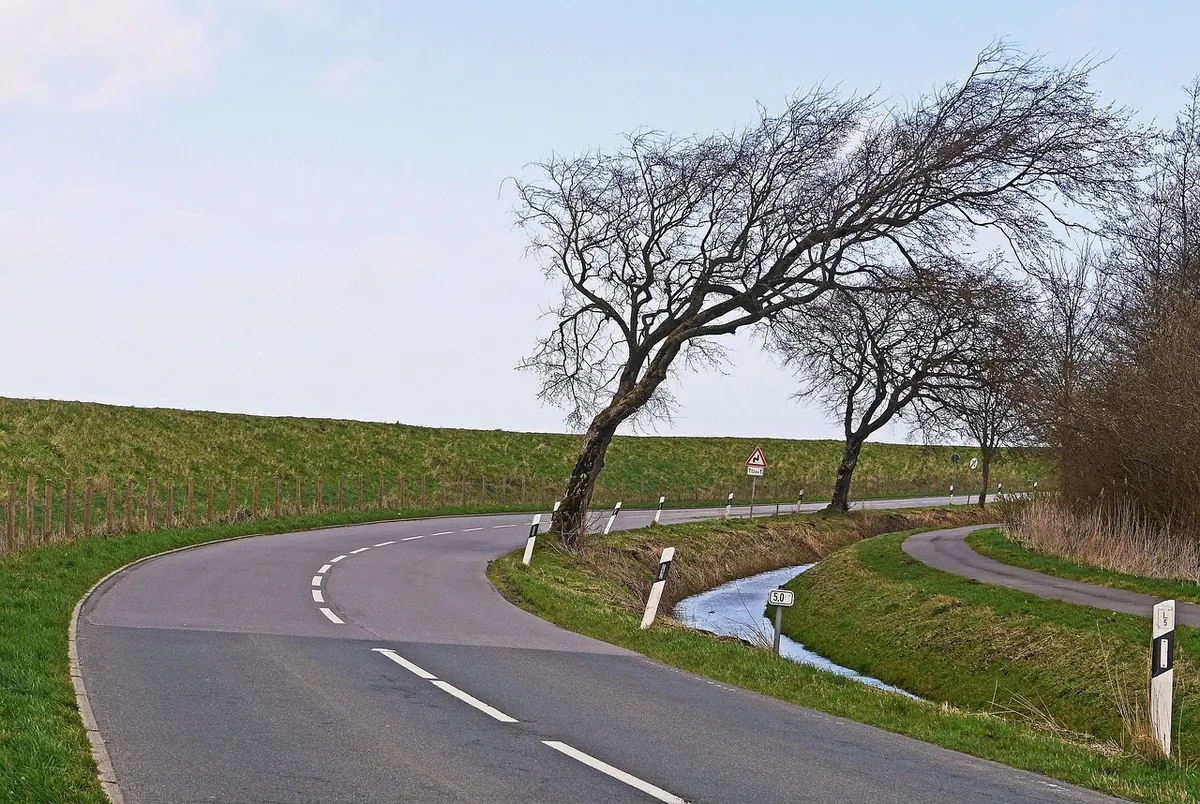
An onshore wind pushing a swell onto a beach you planned to cross can put waves where the map says dry sand. If you are leaning into the wind on a clifftop, walk on the inland side of the path rather than along the edge. Wind funnels over headlands, and it takes less than you would think to lose your footing.
Check the tide table as well, and check more than the high and low times. Know whether the tide is rising, and whether your route depends on a beach, a spit or a causeway that disappears. Being cut off is one of the most common ways a short winter walk becomes a long one.
Mud, shingle and slick timber
Winter paths are a different surface. Chalk and clay go greasy, and a thin layer of mud over chalk behaves much like ice. Grass paths on the coast are often worst of all: they look benign and slide out from under you on a descent.
Boots with deep lugs beat trail shoes. Poles earn their place, two of them if the route has steep descents. On shingle, shorten your stride and keep your weight back; pebbles roll and ankles follow. Timber boardwalks, steps and stiles grow algae in wet weather, so step where the timber is dry or where grit has gathered.
Small decisions matter. Cross streams where the path crosses them, not where the bank has eroded. If a path has collapsed or the edge has crumbled away, turn around. Coastal erosion is not a challenge to be beaten; it is a genuine hazard.
What to carry on a two-hour winter walk
- Head torch with spare batteries
- Charged phone, power bank, and a paper map or a downloaded offline map
- Waterproof shell plus a dry insulated layer you have not put on yet
- Hat, gloves and a spare pair of gloves if the forecast is grim
- Flask and food you will actually eat standing up in the wind
- Foil emergency blanket and a whistle
- Small first-aid kit: blister plasters, tape, painkillers
- A dry bag or plastic bag for the phone
That sounds like a lot for a two-hour walk. Two-hour walks are exactly where people get caught out, because the kit stays in the cupboard on the assumption that nothing will happen.
Choose your turning points before you set off
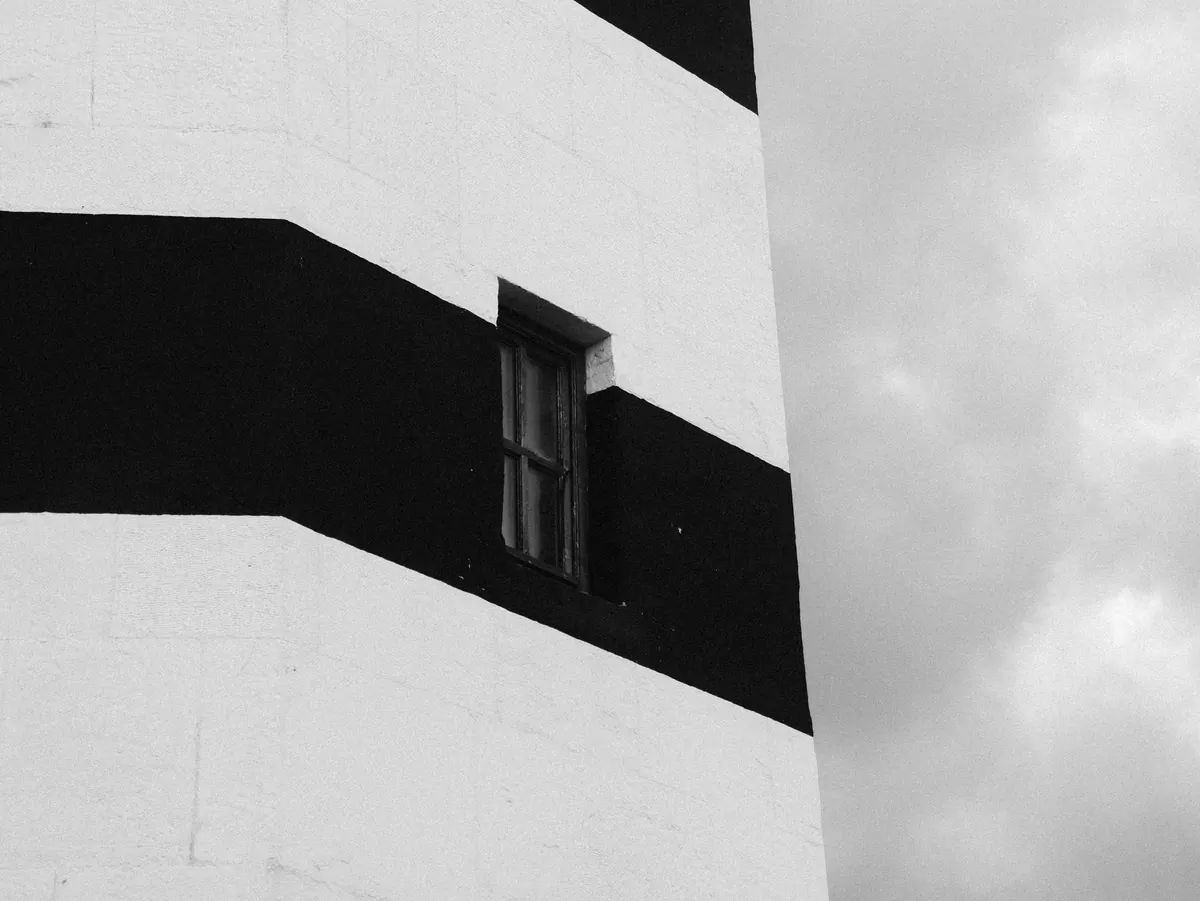
Name them out loud: the far headland, the second car park, the lighthouse, three o'clock. Then agree what will send you back — wind strong enough to make you unsteady, spray reaching the path, visibility closing in, a companion getting cold, or simply running an hour behind schedule.
The useful rule is half. Turn around when you have used half your daylight or half your energy, whichever comes first. Let the slowest walker set the pace; a group that splits on a winter coast path is a group with a problem.
Cold is the quiet one. It does not announce itself, it just makes decisions worse. If someone's hands stop working properly, that is the end of the walk, not a moment to push on.
If something goes wrong
Call 999 and ask for the coastguard. On a beach or a cliff path, they are the right service. Be ready to give a location: a grid reference, a clear description of the nearest access point, or a what3words address. Save a pin for the car park before you leave it, while your hands are warm and your signal is good.
If you have no signal
Move uphill or into open ground and try again. The text-to-999 service exists, but you must register for it in advance, so it is worth setting up before winter rather than in the middle of a crisis. If you cannot raise anyone and you are safe where you are, staying put and staying warm beats wandering. If you are near the water, move up the beach, not along it.
Never enter the sea after a dog. Dogs usually get out further along the shore; people far less often. And if you have a health condition that cold, wind or exertion affects — asthma, angina, a recent illness — speak to your GP before planning a winter route, and consider walking with someone rather than alone.
Before you leave the house
- Sunset time for your exact bit of coast, minus forty-five minutes.
- Tide times, and whether the tide is rising or falling.
- Wind speed, gusts and direction, plus visibility.
- Someone at home knows the route, the car park and when you will call.
- Torch, phone, spare layer and hot drink in the bag.
Ten minutes of planning buys you the whole of a winter walk, and gets you back to the car with the light still in the sky.
Photo: hpgruesen / Pixabay