What to Pack for an Overnight Lighthouse Stay in the UK
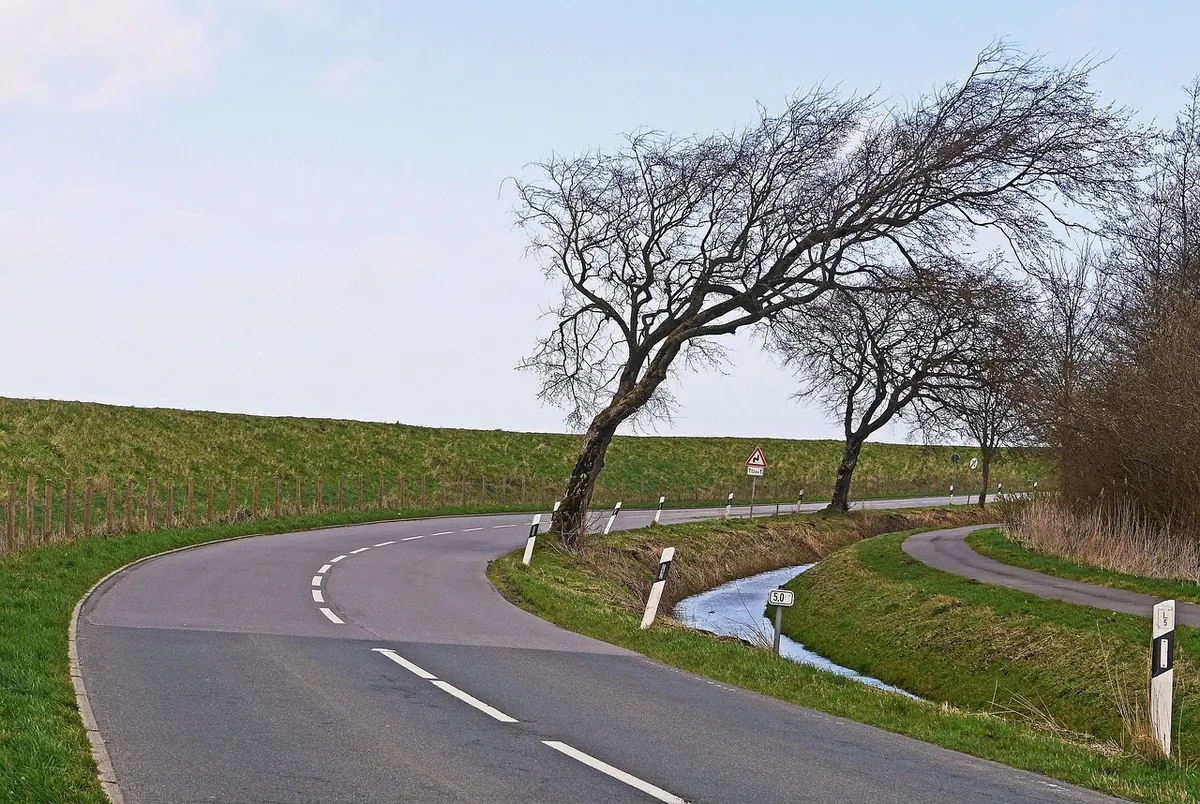
The last stretch to most lighthouse accommodation is on foot. You leave the car at the end of a track, load what you can carry into a rucksack, and walk the rest of the way while the wind does its best to rearrange your hair. Whatever you have left behind stays behind, because nobody is driving back for it at eleven o'clock at night. That single fact should shape everything you pack.
Think of it less as packing for a hotel and more as packing for a self-catering cottage that happens to sit on a rock. The building will be warm and dry. The nearest shop might be a half-hour drive and two locked gates away. Pack for that gap and you will sleep well.
Dress for the walk, not the view
Layer, then layer again. Coastal air changes character fast: a bright afternoon can turn into a stiff, damp evening within an hour, and lighthouse sites are deliberately exposed to the worst of it. Start with a base layer that wicks, add a fleece or wool jumper, and finish with a windproof and waterproof shell. Avoid cotton next to the skin. Once it is damp, it stays damp and pulls heat out of you.
Pack more socks than you think you need. Two pairs per day is not excessive when the ground is wet and boots are drying by the door. A warm hat and gloves earn their place even in summer, because standing on a headland at dusk with a flask is the whole point of the trip, and it is cold work.
Footwear and the approach
Boots matter more than anything else in your bag. Bring waterproof walking boots with proper grip, and break them in before you travel.
- Waterproof walking boots for the track and the cliff paths.
- Wellies if the route is grassy, muddy, or crosses anything resembling a beach.
- Trainers or slippers for indoors — many lighthouse cottages ask you to leave boots at the door.
- Sandals or flip-flops for a rocky beach or a quick swim off the slipway.
Check the route description before you travel, not after. Some lighthouse cottages are reached by a causeway that floods, a steep flight of steps, or a path that is unlit and unfenced. If you are arriving after dark, walk it in daylight first if you can, or simply plan to arrive before sunset. A printed copy of the access instructions is worth more than a screenshot when the signal drops.
Light: bring your own, and bring spares
Remote sites are dark in a way that surprises people who live in towns. Paths are unlit, and the nearest streetlight may be several miles away. Pack a head torch so your hands stay free for gates, keys and handrails, a second small torch as backup, and spare batteries for both. A battery lantern is useful inside the cottage if you read late or the power dips during a storm.
Keep a torch on the bedside table from the first night. If you need to get up in the dark, you will not yet know the room, and thick stone walls make familiar shapes unfamiliar.
Food, drink and the shop-free reality
Assume you are cooking for yourself. Self-catering lighthouse cottages generally come with a kitchen and basic equipment, but not with groceries, and the nearest supermarket is often a drive you would rather not make twice.
Plan meals you can cook in one pot and that do not depend on precision: chilli, curry, pasta, soup, a pan of scrambled eggs. Bring oil, salt, pepper and any spice you actually use, plus coffee, tea and milk. Long-life milk is a sensible choice if the fridge is small or the drive is long. Add a flask for the evening walk, a bottle of water per person per day, and snacks that survive a rucksack: nuts, oatcakes, fruit, chocolate.
What tends to be missing
Washing-up liquid, a sponge, a cloth, and tea towels. These are the items guests most often assume will be there and most often find absent. Bin bags are worth packing too, because many remote sites have no rubbish collection and you will be carrying everything home.
If you are arriving by ferry, remember that island shops may close early and Sunday opening can be limited. Buy before you cross, not after.
Sleep and comfort
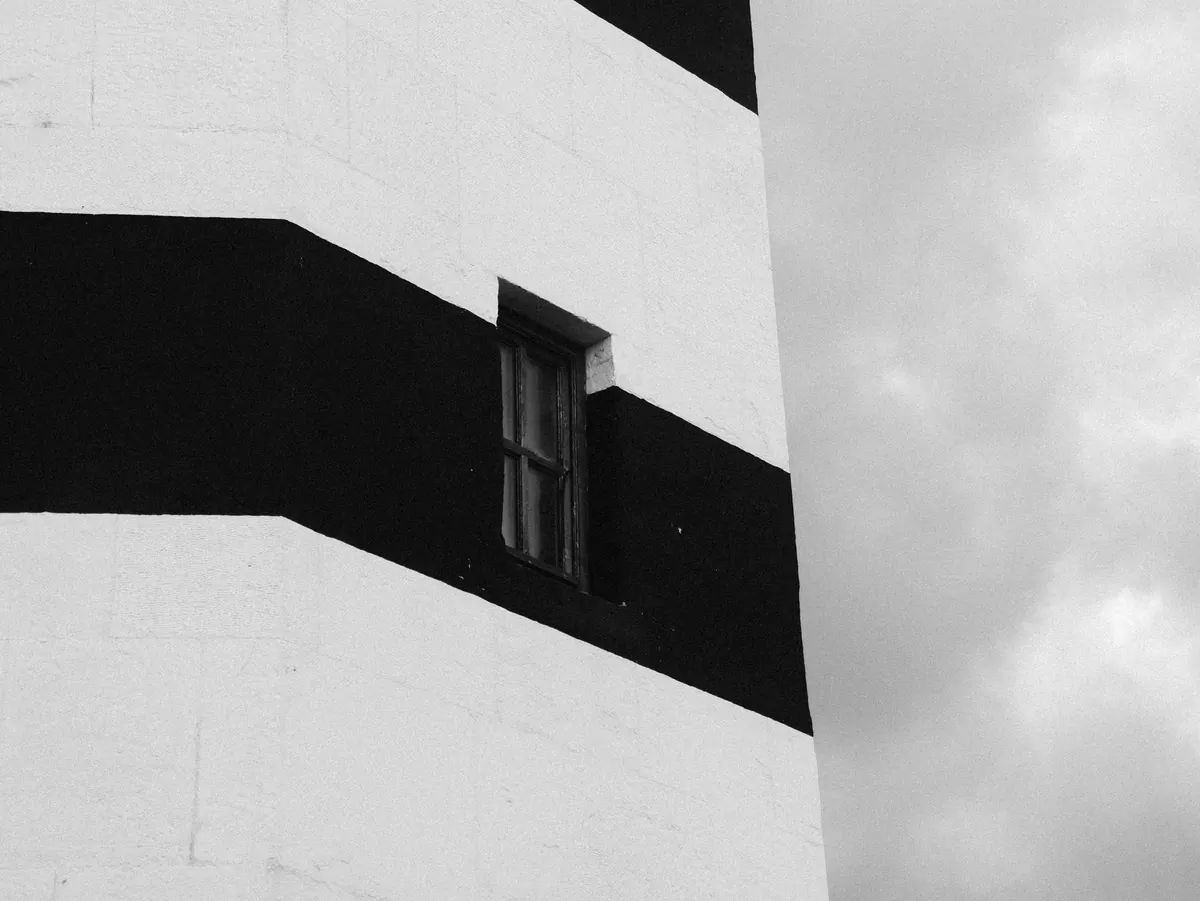
Lighthouse walls are thick, but sound carries oddly, and the beam from the lamp can keep you awake if you are not used to it. If the tower is close and still rotating, take an eye mask. Earplugs help with wind, waves and the clang of a gate in the early hours.
Check the listing carefully to see whether linen and towels are provided, and whether that includes a bath mat and tea towels. If it does not, pack bedding. A hot water bottle, a blanket for the sofa and thick socks for cold floors make a bigger difference than you would expect. If anyone in your group sleeps lightly, give them the room furthest from the tower.
The practical kit that saves the trip
- Booking confirmation and access codes, printed as well as saved on your phone.
- A power bank and charging cables — old buildings can have few sockets in odd places.
- A small first aid kit: plasters, blister plasters, antiseptic, painkillers and any personal medication.
- Insect repellent and bite cream for summer evenings near water and long grass.
- Cash for honesty boxes, ferries and car parks with unreliable card signal.
- A tide table, printed, if you are walking a causeway or a beach route.
- Warm layers for the crossing or the walk-in, kept in the top of your bag.
Signal is patchy on many headlands, so download maps, tide times and your booking details before you set off. Tell someone at home where you are staying and when you expect to arrive — and if you are heading out along cliffs at night, tell them that too. Take local safety advice seriously, and if you have any medical concerns about remote travel, speak to a healthcare professional beforehand.
Pack light, then check the list once more
Lay everything out the night before, then take one item away. That is the difference between a pleasant walk in and a grim one. Run through the essentials in order: layers, boots, torch with spare batteries, food, bedding, medication, booking details. If you can carry it all from the car in a single trip, you have packed correctly. If you cannot, decide now what stays behind rather than discovering it halfway up the path in the rain.
Photo: Hakan Kayahan / Pexels