How to Find a Hidden Cove Safely: Tide, Access and Leave No Trace
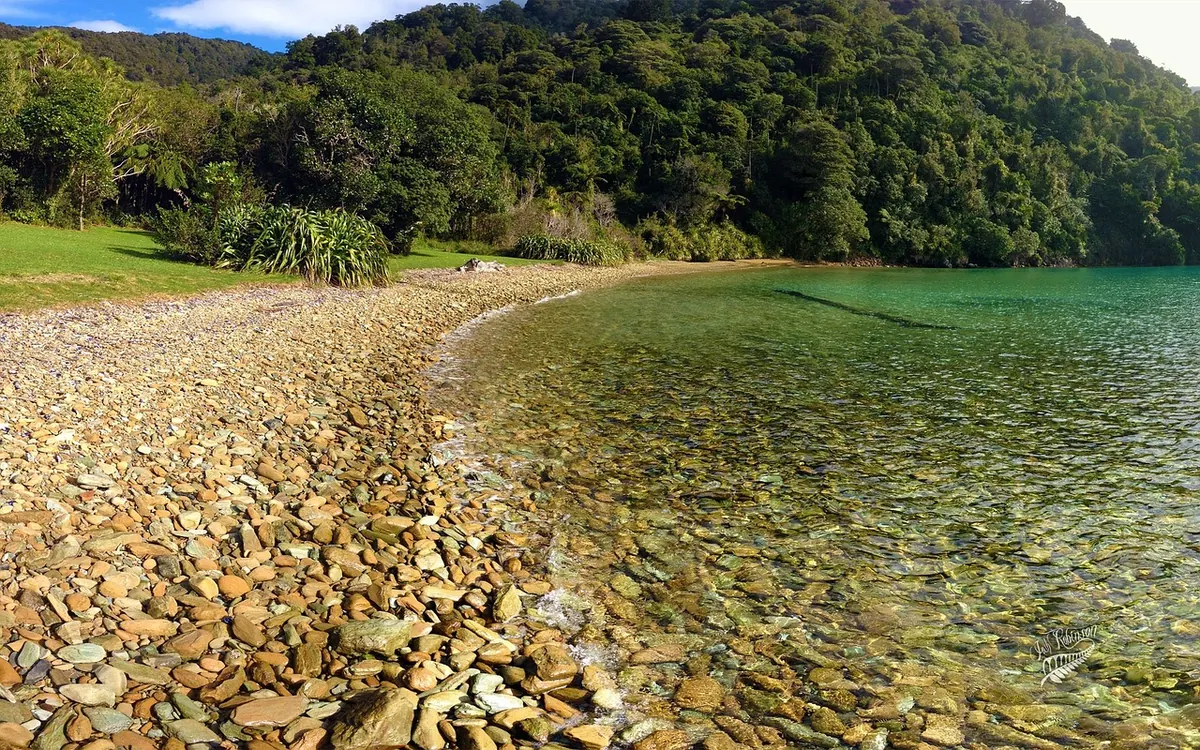
There is a particular kind of cove that only shows itself at low water: a curve of sand wedged between two headlands, reached by a path that seems to fold up behind you as you descend. It is one of the best days out the coast can offer. It is also the sort of place where people get caught out, because the very things that make a cove hidden — steep ground, fast tides, no obvious way back — are the things that deserve respect. None of it calls for expert skills. It calls for an hour of preparation, a tide table, and a willingness to walk away.
Read the tide before you read the map
Most cove incidents begin with a tide that arrived earlier, higher or faster than expected. A tide table pinned up at the nearest harbour or slipway is the place to start, and local sailing clubs and chandlers often publish one for the area. Note low water as carefully as high water, then work backwards from it.
- Give yourself a buffer. For a cove with a narrow entrance, plan to be on the beach for no more than an hour either side of low water on a first visit.
- Check the range. Spring tides move further and faster than neap tides, so a cove that stayed open last week may close quickly this week.
- Watch the weather. A strong onshore wind and low pressure can push water in earlier and leave it sitting higher than the chart suggests.
- Remember the shape of the tide. Water rises slowly at first, then quickly in the middle hours. The old rule of twelfths is a rough guide: the third and fourth hours after low water do most of the work.
- Mark the last dry ground. Look at the highest strip of sand or the rock you would stand on if the water kept coming, and note roughly when it would go under.
Water does not need to be deep to be dangerous. Knee-deep water moving through a narrow cove entrance can knock an adult off their feet, and wet rock near the tideline is often slicker than it looks.
Plan your exit before your entrance
Stand at the top of the cove and pick out two ways out, not one. Then find a landmark for each: the boulder that looks like a thumb, the gap in the gorse, the point where the path turns inland. From the beach, everything looks different.
If the tide does cut you off, your best move is almost always to get to the highest safe ground, stay visible and call for help. Swimming for it with a tide running is how small problems become serious ones. If you are unsure whether you can get back the way you came, do not go down at all. The cove will still be there next month.
Access: know whose ground you are on
Access rules differ across the UK, and they can differ from one field to the next. In England and Wales, public rights of way are recorded on the council's definitive map, and coastal access paths, along with their accompanying coastal margin, are shown on updated maps and waymarked on the ground. In Scotland, statutory access rights are broader, but they still exclude places such as land around buildings, working yards and land where access has been reasonably restricted. Northern Ireland has its own arrangements.
So read the signs, and believe them. If a gate is padlocked or a notice says the land is private, take a different route rather than deciding the sign must be a mistake. Check the local authority or national park website before you travel if you are unsure, and for anything involving a boundary, a footpath closure or a landowner dispute, ask the council or the relevant access authority rather than guessing.
On the practical side: leave gates as you find them, close them behind you if they were closed, do not climb walls or fences, keep to the path across farmland, and never park in a passing place, gateway or at the entrance to a track. Single-track coastal lanes need those gaps more than you do.
Cliffs, descents and the ground underfoot
Coastal rock is not the same as mountain rock. It is often crumbly, weathered, and loose after rain or frost, and cliff edges can be undercut. Avoid lingering directly beneath overhangs or below patches of fresh rubble, and keep well back from the lip of any cliff, however photogenic the view.
The descent is the easy part, which is why it is misleading. Before you commit, ask yourself whether you could climb the same ground upwards, with a rucksack on, when you are tired. Green algae, wet seaweed and damp clay all behave like ice. If the route needs your hands on wet rock, or you cannot see the whole line from above, turn around.
One more thing about headlands: walking around the base of a cliff on a rising tide is one of the worst places to be. There is no higher ground, no side exit, and loose rock above you. If the route ahead looks like a scramble along the waterline, take the cliff path over the top instead, or wait for the next low water.
Leave No Trace in a place nobody is watching
Hidden coves collect things — driftwood, sea glass, shells, stones worn smooth by the swell — and that makes them tempting to rearrange. Please do not. Stone stacks and cairns mislead other walkers, and lifting rocks disturbs the animals sheltering underneath. When you look in a rockpool, put every stone back the way you found it.
Some other habits worth keeping:
- Take all your litter home, including fruit peel, hair bands and fishing line. Do not bury it; it reappears.
- Skip the fire. Pebbles can fracture and spit when heated, and a blackened fire ring on a remote beach is a scar that lasts for years. A small stove is better if you want a hot drink.
- Give wildlife room. Nesting seabirds are easily disturbed between spring and midsummer, seals need space on the shore, and a dog off the lead near either is a problem. Keep dogs close and under control around cliffs and wildlife.
- Leave the drone in the bag around nesting sites and anywhere people are quietly enjoying the quiet.
- Where there are no facilities, go well away from water, paths and the beach itself, and carry out paper and sanitary items.
- Leave shells, sea glass and pebbles where they lie, especially on beaches protected for their geology or wildlife.
Before you go: a short checklist
Tell someone where you are heading and when you expect to be back, and message them when you are off the beach. The same applies at home: leave a note with the car park name and your intended route.
Take a paper tide table or download one before you lose signal, since coastal phone coverage is patchy. Carry a waterproof layer, water, a torch and a charged phone in a dry bag, and wear footwear with grip rather than smooth soles. If you are stuck, hurt or cut off, dial 999 and ask for the Coastguard, and stay where you can be seen.
And keep one rule above all the others: if the tide, the ground or the weather does not feel right, you have not failed. You have simply found a cove you will visit properly on another day.
Photo: erniej / Pixabay