Lighthouse Stays vs Coastal Cottages: Which Is Right for Your UK Break?
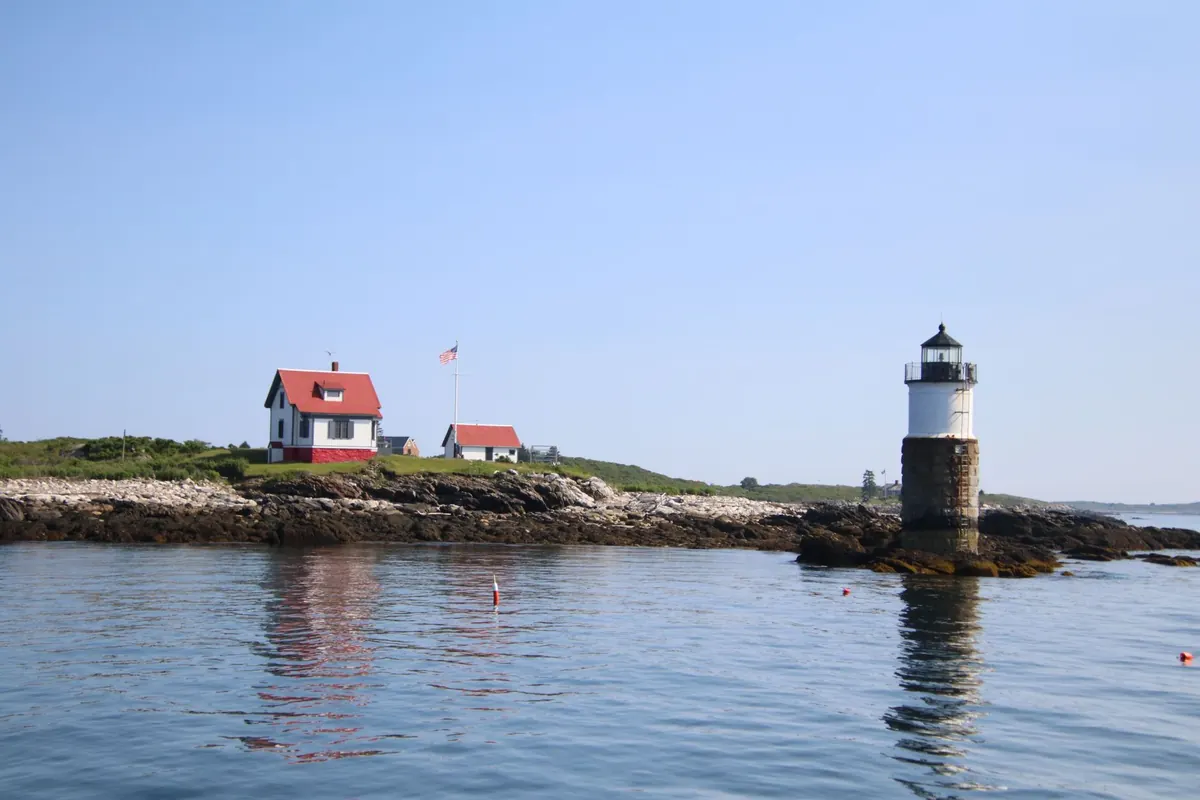
A lighthouse and a coastal cottage both promise sea views and salt air, but they deliver the break in quite different ways. One puts you on the edge of the map, often with nothing between you and the horizon. The other puts you in a village with a pub, a shop and somewhere sensible to park. Neither is better. The question is which one suits the trip you are actually taking — a two-night winter escape for two, or a fortnight in August with children, grandparents and a wet dog.
What you are really booking
"Lighthouse stay" covers more than most people expect, and it pays to know which variety you are looking at before you fall for the photographs.
- The tower itself — usually a former keeper's quarters, reached by a spiral staircase, with rooms stacked vertically and a shared or compact bathroom.
- A keeper's cottage in the grounds — often the most comfortable option, with a proper kitchen, separate bedrooms and the tower as a neighbour rather than a home.
- A converted outbuilding — engine rooms, storehouses and boat sheds turned into compact self-catering spaces, sometimes with the original machinery still in place.
- Hostel-style or shared accommodation — bunk rooms, communal kitchens and a warden on site, which keeps costs down and suits groups.
Coastal cottages vary just as much. A fisherman's terrace in a harbour town is a different proposition from a barn conversion on a farm, or a large Victorian house let whole for a family gathering. Ask what the property actually is, not just what it is called.
Cost: compare like with like
Lighthouse accommodation is usually let by the night with minimum stays in quieter months, while cottages more often run Saturday to Saturday in peak season. That difference matters when you are costing a trip, because a three-night lighthouse break and a week in a cottage are not competing on the same terms.
The honest approach is to price the trip you want. Build in the extras that vary most: parking, fuel for a long drive, dog charges, linen, a cleaning fee, and the cost of eating out when there is no kitchen or no shop for miles. Remote properties often look reasonable until you realise every meal is a drive away. Book direct where you can, and check whether the owner offers a lower rate for a shorter stay out of season.
Location and the last mile
Lighthouses sit where they are needed, which is rarely where you would choose to build a house. Expect a single-track lane, a rough track, a steep walk from a car park, or a causeway covered at high tide. That is a large part of the appeal — and a large part of the planning.
Check the distance to the nearest shop, pub and cash machine in minutes, not miles, and look at what the road is like in the dark. Arriving after a long drive to a headland with no lighting is manageable if you know it is coming. It is miserable if you do not.
Cottages in villages solve most of this. You can walk to dinner, forget the car and let teenagers go to the beach on their own. If you want a holiday where nobody has to drive after six o'clock, the cottage wins comfortably.
Facilities and comfort
Lighthouse properties are converted, not purpose-built for guests. That means narrow staircases, low doorways, rooms on different levels and sometimes a bathroom that is charming but small. Wi-Fi can be patchy on a headland, mobile signal weaker still, and heating may take a while to warm thick stone walls. Some sites are still working aids to navigation, so the light or fog signal may run through the night. Most people sleep through it; light sleepers should ask.
Cottages generally offer a full kitchen, a washing machine, a garden, parking at the door and a layout designed for families. If you are cooking for six, drying wetsuits or trying to keep a toddler away from a staircase, that practicality matters more than any view.
If anyone in your party has mobility or health concerns, ask the provider very specific questions: how many steps, indoors and out, and whether a car can reach the door. For anything medical, speak to your own clinician before committing to a remote location with a long drive to services.
Atmosphere: drama or ease
A night in a lighthouse is genuinely memorable. Weather arrives as an event. The dark is properly dark, the sea is loud, and you will probably spend more time looking out of windows than you planned. Couples and solo travellers tend to love it. It suits a short, deliberate break rather than a fortnight of ordinary family life.
A cottage is easier to live in. Board games, a slow Sunday breakfast, friends arriving for the weekend, sandy feet and no ceremony. You get atmosphere too, just a gentler kind — the walk back from the pub, the harbour light in the distance, the same view from a sofa rather than a lantern room.
Which one fits your trip?
- Two nights, out of season, for two: the lighthouse, almost every time.
- A week or more with children: a cottage near a beach and a shop.
- A group of friends or extended family: a large cottage, or shared lighthouse accommodation booked as a whole.
- Photography, walking or storm-watching as the main event: the lighthouse.
- Mixed ages, mixed abilities, dogs and a car full of kit: the cottage.
- A milestone trip you will talk about for years: lighthouse, and pay for the convenience of the cottage version if you can stretch to both in one year.
Before you book
Read the access notes properly, then email the owner about anything unclear: parking, tide times on a causeway, arrival in the dark, laundry, dogs, and whether towels and bedding are included. Ask what happens if the weather turns — a sensible cancellation policy matters more on a remote headland than in a town.
One final tip. If you are torn, do the lighthouse first, while the children are old enough to manage stairs but young enough to find it magical, or before you need ground-floor everything. Cottages will still be there in twenty years. A spiral staircase, a keeper's kitchen and the sound of the sea all night is a particular kind of holiday, and it is worth choosing deliberately rather than by accident.
Photo: Sinful / Pexels